Diabetes can affect your eyes before you notice a difference in how you see. At Richens Eye Center in St. George, UT, our team evaluates and treats diabetic retinopathy, a condition caused by damage to the retina’s blood vessels. William Wagner, MD is a board-certified ophthalmologist who specializes in medical retinal disease, including diabetic eye disease.
Can Diabetes Affect Your Eyes Without Symptoms?
Yes. Early diabetic retinopathy often develops without obvious symptoms, which means seeing clearly does not rule it out. Over time, high blood sugar can damage small blood vessels in the retina, causing them to leak, swell, or become blocked.
As the condition progresses, some people notice blurry or fluctuating sight, dark spots or floaters, reduced color vision, or blank areas in their field of view. These symptoms can signal that the retina needs closer evaluation, but they do not tell you how advanced the condition may be.
Is Blurry Vision a Sign of Diabetes?
It can be. High blood sugar may temporarily affect how the eye’s lens focuses light, making your sight fluctuate. Diabetic retinopathy can also cause blur when damaged retinal blood vessels leak fluid.
Blurred sight has many possible causes, so an exam is the most reliable way to find out what is happening. Our retina specialists can look for signs of diabetic damage and determine whether another eye condition may be contributing.
Can Diabetes Cause Night Vision Problems or Flashing Lights?
Diabetes can affect how well you see in dim lighting, but night vision problems are not specific to diabetic retinopathy and may have other causes. New floaters, dark spots, or a sudden shift in your sight should also be checked.
Flashing lights should not automatically be blamed on blood sugar. Sudden flashes, especially with a new shower of floaters, a dark curtain or shadow, or abrupt vision loss, can be signs of retinal detachment and require prompt evaluation.
Why Eye Exams Matter When You Have Diabetes
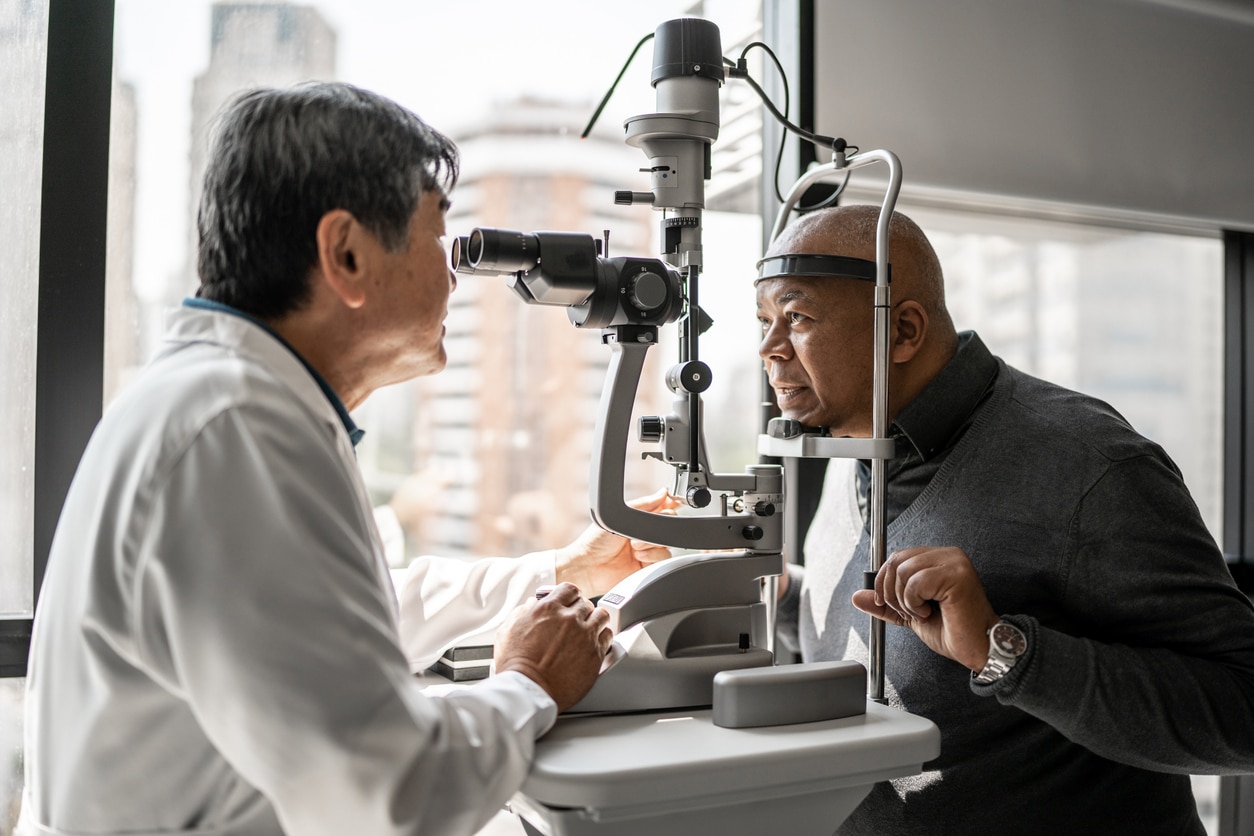
A comprehensive eye examination can reveal diabetic retinopathy before it interferes with daily sight. During a dilated retinal exam, our team examines the blood vessels and other structures at the back of the eye. Retinal imaging, such as optical coherence tomography, may also help us look for swelling or other changes when appropriate.
Regular exams let us compare the retina from one visit to the next and identify new damage before it becomes more disruptive. That is especially important because early diabetic retinopathy may be silent.
If you have diabetes or have noticed a new change in your sight, contact us at Richens Eye Center for an evaluation in St. George, UT, or Mesquite, NV. Call 435-986-2020.