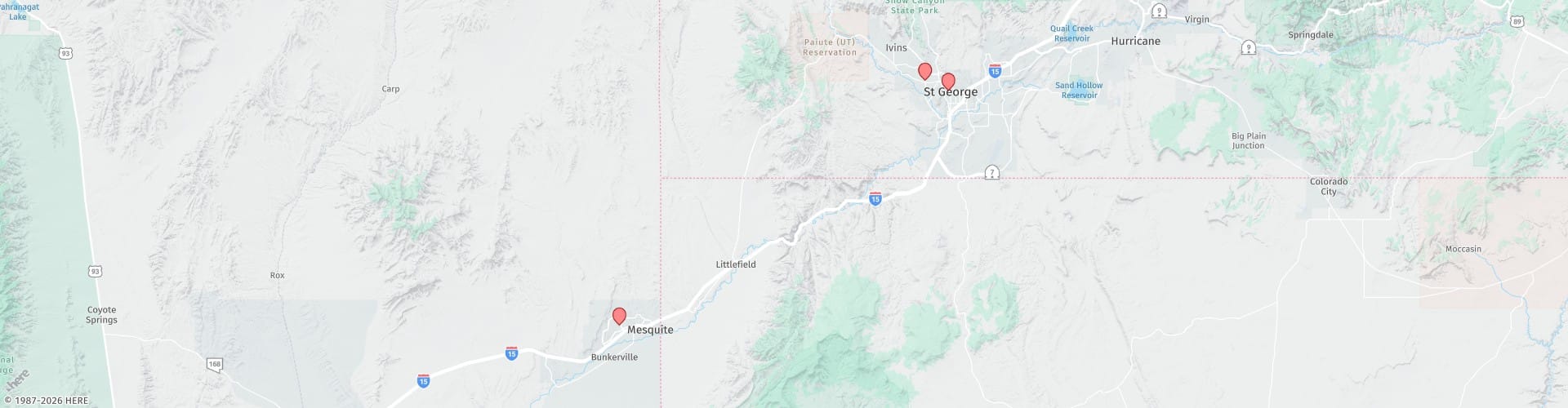

Daily medication is a familiar part of glaucoma care, but it is not the only way to control pressure inside the eye. Shawno E. May, MD is a board-certified ophthalmologist whose clinical interests include glaucoma surgery, cataract surgery, and medical eye care. Through Richens Eye Center, he cares for patients in Southern Utah and Mesquite, Nevada. Depending on the diagnosis, our glaucoma treatment options may include medication, laser procedures, and minimally invasive glaucoma surgery.
Why Eye Drops Are Often Used First
Glaucoma can damage the optic nerve when pressure inside the eye remains too high. Prescription drops may reduce fluid production or help fluid leave the eye more efficiently.
These medications control glaucoma well for many people, but they must be used consistently. Remembering each dose, applying drops correctly, or managing side effects can sometimes be difficult. Never stop a prescribed medication without speaking with your ophthalmologist.
Other Ways to Lower Eye Pressure
Your doctor may discuss other approaches based on the type and severity of glaucoma, your current pressure, and how well previous treatments have worked.
- Sustained-release medication: Richens Eye Center lists DURYSTA™ as an implantable option for certain patients with open-angle glaucoma or ocular hypertension. The implant gradually releases medication inside the eye for a period of time.
- Laser treatment: A laser procedure may improve the eye’s natural drainage and lower intraocular pressure. Some patients still need medication afterward.
- Minimally invasive glaucoma surgery: MIGS procedures use small incisions to improve drainage. They may reduce reliance on drops and can sometimes be combined with cataract surgery.
Patients who need a greater reduction in eye pressure may require a different surgical approach. When surgery is appropriate, procedures may be performed at our Southwest Surgery Center.
Follow-Up Exams Remain Important
Glaucoma can progress before you notice pain or changes in your sight. A comprehensive eye examination can measure eye pressure and look for signs of optic nerve damage. Regular follow-up visits also allow your ophthalmologist to adjust your care when needed.
Your plan should reflect your diagnosis, pressure readings, and response to previous care. To discuss medication, laser treatment, or MIGS, contact us at Richens Eye Center in St. George, UT, or Mesquite, NV. You can also call 435-986-2020.